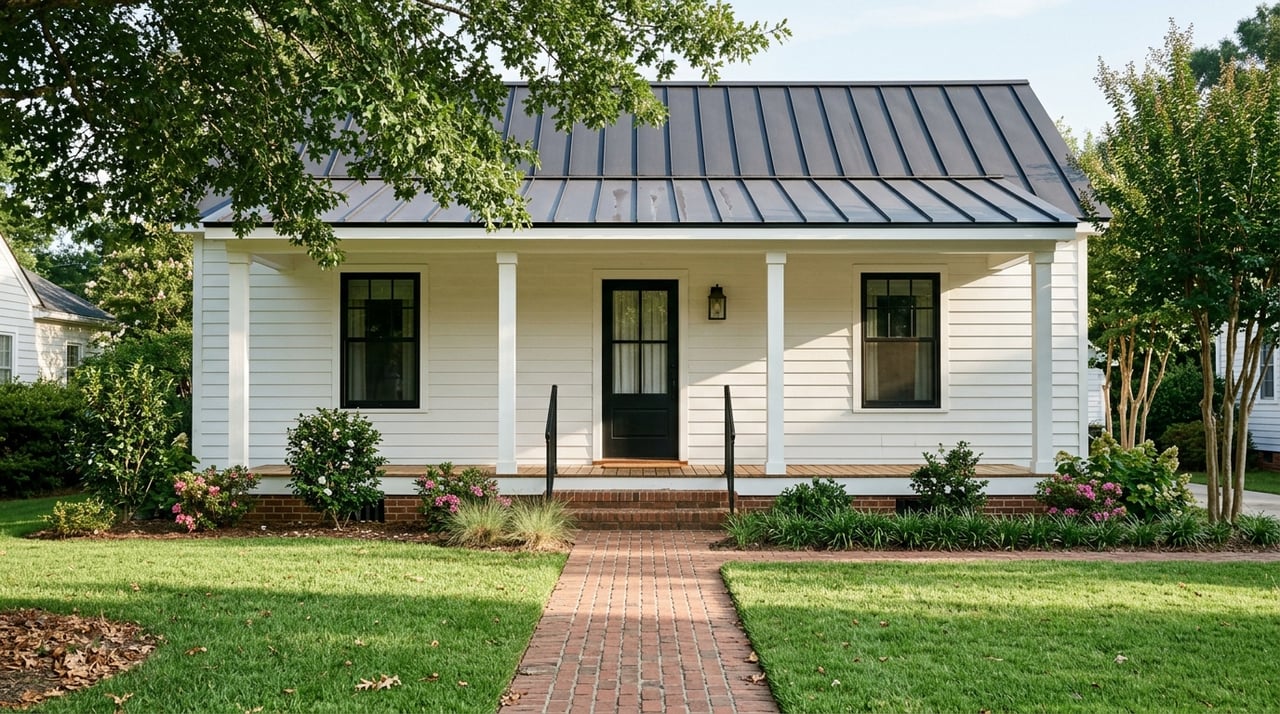
If you are buying in Camden, one of the first things you will notice is that this market does not feel one-note. You can move from a historic in-town street with porches and older homes to a larger-lot setting like Kirkwood, then out to newer subdivision growth areas with more standardized layouts. That variety can feel exciting, but it can also make it harder to know where to focus. This guide will help you understand Camden’s established neighborhood patterns, the home styles you are most likely to see, and what to weigh before you make a move. Let’s dive in.
Camden has a distinct housing mix
Camden stands out because its housing stock spans a long stretch of time. City materials describe Camden as the oldest inland city in South Carolina, and the local housing plan shows that 34.1% of homes were built in 1950 or earlier, while 20.4% were built in 2000 or later. The median year built is 1968.
For you as a buyer, that means Camden offers a true mix of older character homes and newer construction. Instead of expecting one dominant look or layout, it helps to think of the city in three broad residential patterns: the historic in-town core, the Kirkwood area, and newer subdivision growth areas to the north and south.
Historic core neighborhoods
Camden’s older in-town core follows a formal grid pattern. According to the city’s design guidelines, this area was laid out with regular lot sizes and fairly dense development. That street pattern still shapes how the area feels today.
If you are drawn to homes with architectural variety and established streetscapes, this part of Camden may feel especially appealing. You are more likely to see houses with porches, mature surroundings, and individual details that change from block to block.
What lots feel like in-town
In the historic core, lots tend to be more regular and tighter than in estate-style areas. The grid layout can create a more connected feel, with homes set in a more traditional in-town pattern rather than spaced far apart.
That does not mean every property feels the same. It means the lot arrangement and street layout are more structured, which can matter if you prefer a classic neighborhood pattern over a winding subdivision layout.
Common homes in older areas
Camden’s historic neighborhoods include a wide mix of home types, but vernacular houses are especially common. A citywide survey cited in Camden’s design guidelines found that about 65% of recorded historic buildings were frame or masonry vernacular.
These homes are often one or two stories and may sit on brick piers. You may also notice weatherboard or drop siding, double-hung sash windows, and porches or verandas. Camden’s guidelines also point to rain porches as a notable local feature.
Historic styles you may see
In Camden’s established neighborhoods, buyers may come across several formal historic styles, including:
- Georgian and early classical houses with symmetrical facades, raised foundations, and formal porches or porticos
- Greek Revival homes with symmetrical facades, full-height porches, classical columns, and central entries
- Charleston-style houses with the familiar side piazza plan
- Queen Anne and Victorian-era homes with asymmetrical shapes, irregular rooflines, bay projections, and decorative porch details
- Colonial Revival homes with balanced facades, simple column-supported porches, and accentuated entry doors
- Craftsman and bungalow homes with low-pitched gable roofs, broad eaves, exposed rafters, and wide porches
For many buyers, this is the part of Camden where home shopping feels most visually varied. You may see a simple cottage on one block and a more formal historic residence nearby.
Kirkwood and estate-style settings
Kirkwood offers a very different feel from the denser in-town grid. Camden’s design materials describe it as having an informal street pattern, large lots, and a more rural setting.
Historic district materials go even further, noting that Kirkwood includes very large parcels, homes set farther back from the road, and limited curb, gutter, and sidewalk infrastructure in some areas. If you are looking for more separation between homes and a more estate-like setting, this part of Camden may stand out.
What buyers often notice in Kirkwood
The biggest difference is space. Parcels are often larger, and the relationship between the home and the street can feel less formal than in the historic core.
That can appeal to buyers who want a quieter, more spread-out setting without leaving Camden. At the same time, it is helpful to understand that the street pattern and infrastructure may feel less uniform than in more recently planned neighborhoods.
Newer subdivisions in Camden
If you prefer newer construction, Camden has also seen subdivision growth in more recent years. The city’s comprehensive plan says recent residential growth has been concentrated in the northern and southern parts of the city.
The same plan shows that nearly 90% of new construction from 2017 to 2022 was concentrated in subdivisions. Active or underway projects named in the plan include Carriagebrook, Friendship Hill Farms, South Haven, Meadow Springs, Oldfield Plantation, and Wylie Street Townhomes.
What newer usually means here
In Camden, newer neighborhoods are more likely to have planned streets and more standardized construction. These homes may offer newer systems and a more predictable floor plan than older in-town homes, though they may have less architectural variety or lot depth.
For many buyers, that tradeoff is worth it. If you want a home that feels more current in layout and materials, the newer subdivision areas may align well with your goals.
Street and maintenance details to check
Camden’s land-development rules make an important point for buyers in newer areas. Subdivision street systems are designed to serve the neighborhood and discourage through traffic, and subdivisions with more than 30 houses require two entrances.
The rules also allow private streets in some planned developments if there is an approved maintenance plan. Before you buy in a newer neighborhood, it is smart to confirm whether roads and sidewalks are public or privately maintained, along with any related dues or maintenance obligations.
Comparing lot sizes and layouts
One of the easiest ways to narrow your search in Camden is to focus on the lot and street pattern that fits your daily life. Camden is not a market with one standard lot size or one typical neighborhood layout.
Instead, the city reads more like a spectrum. You can usually think about that spectrum in three simple categories.
| Area type | Typical feel | What buyers may notice |
|---|---|---|
| Historic in-town core | Older, structured, and more connected | Regular lots, grid streets, porches, varied architecture |
| Kirkwood and estate-style areas | Larger-scale and more spread out | Bigger parcels, homes set back, more rural character |
| North and south subdivision growth areas | Newer and more planned | Standardized construction, planned streets, possible HOA or private-road rules |
This framework can help you decide what matters most. If you want charm and architectural individuality, the historic core may rise to the top. If you want larger parcels, Kirkwood may be a better fit. If you want a newer layout and newer systems, subdivision growth areas may deserve a closer look.
Older homes versus newer construction
Camden gives you a real choice between character and newer convenience. Neither option is automatically better. The right fit depends on how you want to live and what kind of projects, maintenance, or neighborhood layout you are comfortable with.
Why buyers choose older homes
Older Camden homes often offer the details people remember. Porches, original proportions, mature streetscapes, and walkable in-town settings can create a lot of appeal.
At the same time, older homes may include later additions or altered features. Camden’s guidelines emphasize preserving elements such as verandas, porches, columns, windows, shutters, chimneys, foundations, and steps, which tells you how important these details are to the city’s historic character.
What to evaluate in an older home
If you are considering an older home in Camden, pay special attention to:
- Porch condition
- Window condition
- Foundation type
- Roof shape and condition
- Whether additions fit the original home well
These details matter both for upkeep and for understanding how the home has changed over time.
Why buyers choose newer homes
Newer Camden homes are often found in the city’s north and south growth areas. They may offer more standardized floor plans, newer systems, and subdivision infrastructure that feels more familiar to buyers coming from other suburban markets.
That can simplify decision-making if you want fewer unknowns. You may give up some lot depth or style variation, but you may gain a layout and construction era that feels easier to manage.
Historic district review matters
If a property is located in Camden’s locally regulated historic area, exterior changes may require review by the Historic Landmarks Commission. The commission reviews alterations, demolition, and new construction for consistency with the Camden Design Guidelines.
For you as a buyer, that is not necessarily a drawback. It simply means historic charm may come with an added layer of design review and a stronger expectation that exterior changes remain compatible with the surrounding historic context.
How to narrow your Camden search
If you are feeling torn between areas, start with your daily priorities instead of just square footage. The right neighborhood fit often becomes clearer when you think about how you want your home and lot to function.
Ask yourself a few practical questions:
- Do you prefer a historic in-town setting with regular lots and individual architecture?
- Do you want a larger parcel and a home set farther back from the street?
- Do you feel more comfortable with newer construction and a more predictable neighborhood layout?
- Are you open to HOA or private-road maintenance considerations?
- Would a historic district review process affect your renovation plans?
When you answer those questions first, your Camden search usually gets easier. You can quickly separate what feels interesting from what truly fits your lifestyle and comfort level.
Camden offers more variety than many buyers expect, and that is part of its appeal. Whether you are drawn to porches and historic details, estate-style parcels, or newer subdivision living, a clear plan can help you shop with confidence. If you want guidance as you compare Camden options and make sense of what fits best, Heather Shuler is ready to help you schedule a consultation.
FAQs
What types of homes are common in Camden, South Carolina?
- Camden buyers often see vernacular cottages and houses, along with Georgian, Greek Revival, Charleston-style, Queen Anne, Colonial Revival, and Craftsman or bungalow homes.
What is the difference between Camden’s historic core and Kirkwood?
- Camden’s historic core has a formal grid, regular lots, and denser development, while Kirkwood is known for larger parcels, a more informal street pattern, and homes set farther back from the road.
Where is newer home construction located in Camden?
- Recent residential subdivision growth in Camden has been concentrated in the northern and southern parts of the city, with most new construction from 2017 to 2022 occurring in subdivisions.
What should buyers check in newer Camden subdivisions?
- Buyers should verify whether roads and sidewalks are public or privately maintained and review any maintenance obligations, dues, or neighborhood rules before closing.
What should buyers look at when considering an older Camden home?
- Buyers should take a close look at porch condition, windows, foundation type, roof form and condition, and whether later additions fit the original structure.
Do historic homes in Camden require design review for changes?
- If a home is in Camden’s locally regulated historic area, certain exterior changes may require review by the Historic Landmarks Commission for consistency with local design guidelines.
