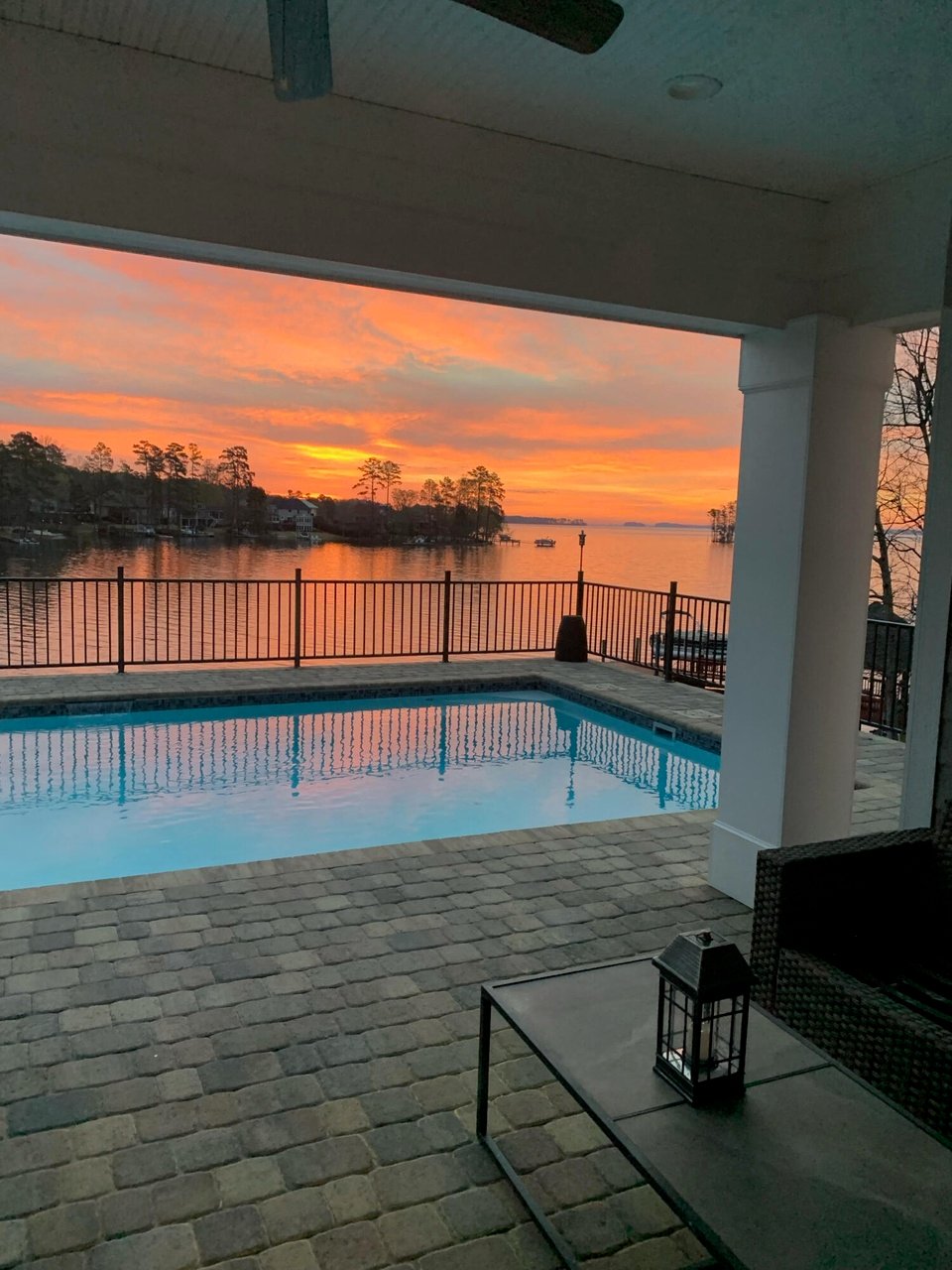
If you are buying on Lake Murray, one of the biggest mistakes you can make is focusing on the house before you fully understand the shoreline. A beautiful home can feel very different once you learn how the dock works, how much water depth you really have, or what the lot allows. This guide will help you sort through the key decisions that matter most so you can buy with more clarity and confidence. Let’s dive in.
Start With Your Lake Lifestyle
Before you compare square footage or finishes, think about how you actually want to use the property. On Lake Murray, your day-to-day experience is shaped by water access, shoreline setting, and boating conditions just as much as the home itself.
Lake Murray is a large hydroelectric reservoir west of Columbia that spans Lexington, Newberry, Richland, and Saluda counties. According to the South Carolina Department of Natural Resources lake overview, the lake stretches about 41 miles long, reaches about 14 miles wide at its broadest point, and has a maximum depth of roughly 200 feet.
That size creates a wide mix of waterfront settings. You may find rocky points, shallow vegetated flats, and sheltered coves, and each one can affect privacy, boating access, swimming conditions, and dock use.
Choose Main-Lake or Cove
One of the first decisions to make is whether you want a main-lake setting or a cove location. This is often the core lifestyle tradeoff for Lake Murray buyers.
Main-Lake Benefits
Main-lake properties often offer broader views and quicker boating routes. If you picture long open-water views and easy access for cruising around the lake, this setting may feel like the right fit.
The tradeoff is exposure. More open water can mean more boat activity, more chop, and a busier feel during peak weekends.
Cove Benefits
Cove properties tend to feel more protected. That can make them appealing if you want calmer water near the dock or a more sheltered area for swimming and everyday shoreline use.
Still, not every cove offers the same dock flexibility. Dominion Energy’s Lake Murray permitting guidelines note that narrow coves may allow only limited-size docks or no dock at all, depending on navigation, ingress and egress, scenic values, and shoreline conditions.
How To Decide
As you tour homes, ask yourself:
- Do you want faster open-water access or calmer near-shore conditions?
- Do you care more about panoramic views or extra protection at the dock?
- Are you comfortable with more summer boat traffic?
- Will swimming, floating, or fishing near the shoreline be a regular part of your lifestyle?
Verify Shoreline Ownership Early
On Lake Murray, the lot lines on paper do not always tell the full story of what you can do at the water. This is one of the most important details to confirm before you make an offer.
On much of the lake, Dominion Energy owns the land below the 360-foot contour, which its handbook identifies as the normal maximum pool elevation. That means a buyer should confirm whether the parcel owns to the 360 line, depends on a vegetative buffer or easement, or may need a common dock arrangement under current rules.
This matters because shoreline ownership affects more than legal description. It can influence dock placement, maintenance options, and what future improvements may or may not be possible.
Understand Dock Rights Before Closing
A dock is often a major part of the value in a Lake Murray property, but you should never assume an existing dock answers every question. The bigger issue is whether the dock is permitted, usable for your needs, and allowed under current rules.
Dominion requires a permit before someone repairs, replaces, adds to, or builds a dock. Its guidelines also state that individual residential docks generally require at least 100 feet of shoreline width along the 360 contour, or 100 feet measured along the vegetative buffer zone if the lot does not own to the 360 line.
That means a narrow lot may not qualify for a private dock, even if it looks like it should. In some cases, a common dock may be the practical option.
Private Dock vs Common Dock
A common dock can serve two residential lots. That can be useful in older subdivisions or on lots with limited frontage, but it comes with tradeoffs.
With a common dock, you may share maintenance, access, and boat space with another owner. Dominion also states that it does not mediate personal disputes, so shared arrangements should be reviewed carefully before closing.
Check Water Depth and Usability
One of the most overlooked parts of buying on Lake Murray is whether the dock actually works the way you want it to work throughout the year. A property can have a dock and still fall short for your boat, your schedule, or your preferred lake use.
According to Dominion Energy’s Lake Murray guidance, year-round water access is not guaranteed. That is why current water levels, lot slope, and the lake bottom profile all deserve a close look before you close.
If you have a larger boat, boat lift, or covered storage in mind, ask whether the current setup truly supports it. A dock’s existence is only part of the story.
Look Closely at Shoreline Condition
A shoreline that looks simple to improve may still need approvals before work can begin. That can affect your budget, timeline, and future plans for the property.
Dominion generally allows rip-rap and seawalls or retaining walls under specific conditions, but it limits brushing below the 360 line and tightly restricts excavation. If the bank needs stabilization, clearing, grading, or armoring, ask early whether permits were approved or whether additional review would be required.
This is especially important if you are comparing a finished waterfront home with a lot that still needs major shoreline work. The lower purchase price on an unfinished property may not reflect the time and approvals needed to make it function the way you want.
Match the Dock to Your Boat
Not all docks are created for the same kind of use. On Lake Murray, a dock that works well for one buyer may be limiting for another.
Dominion notes that floating docks must use encased or encapsulated flotation, and docks are generally one-level structures. If you plan to keep a specific boat on the property, ask whether the dock layout, water depth, and shoreline conditions fit that boat during normal and lower-water periods.
You should also ask whether you want a simple day dock, a lift-ready setup, or a property where future improvements may matter. Those answers can narrow your search quickly.
Factor in Boating Activity and Rules
Your experience on the water is not just about the property. It is also about the boating patterns around it and the rules that shape day-to-day use.
The South Carolina Department of Natural Resources boating distance rules state that vessels must stay at idle speed within 100 feet of docks and piers, and wake surfing is prohibited within 200 feet of a dock, swimmer, or anchored watercraft. Those rules are especially relevant if you want a quiet shoreline, better swimming conditions, or a more protected feel near the dock.
Busy holiday weekends can also change how a section of the lake feels. Dominion notes that access patterns vary by location and season, and SCDNR identifies Memorial Day and Labor Day weekends as especially busy periods on South Carolina lakes.
Ask Better Questions Before You Offer
When you buy on Lake Murray, better questions often lead to better decisions. This is where a careful review of the lot, dock, and shoreline can save you from expensive surprises.
Use this checklist as you evaluate a property:
- Does the lot own to the 360 contour, or is the shoreline controlled by an easement or Dominion land?
- Is the existing dock fully permitted, and if not, what would current rules allow?
- Is the dock private, shared, or a common dock for multiple lots?
- How much shoreline footage is included?
- Is there enough frontage for the dock type you want?
- What is the typical water depth at the dock in normal and low-water periods?
- Has the shoreline been stabilized, and were permits approved?
- Are there HOA or community rules about boat storage, lifts, or shoreline improvements?
- How busy does the cove or main-lake stretch get during peak summer weekends?
If fishing is part of your lake lifestyle, it also helps to review the Lake Murray fishing regulations from SCDNR, since the lake is a managed fishery with its own rules.
Focus on the Full Property Package
The best Lake Murray property is rarely just the best-looking house. It is the best mix of shoreline ownership, dock feasibility, water depth, boating access, and the activity level that fits how you want to live.
That is why a lakefront purchase deserves a little more planning and a lot more verification. When you understand the shoreline as clearly as the home, you can move forward with confidence and choose a property that truly supports your lifestyle.
If you are thinking about buying on Lake Murray and want a calm, informed process, Heather Shuler can help you evaluate the details that matter most and guide you through each step with clear communication and local insight.
FAQs
What should you check before buying a Lake Murray waterfront home?
- You should confirm shoreline ownership, dock permit status, frontage width, typical water depth, shoreline stabilization, and any HOA or community rules that affect boat storage or improvements.
What is the difference between main-lake and cove properties on Lake Murray?
- Main-lake properties often offer broader views and faster boating routes, while cove properties are usually more protected for swimming and docking but may have more limits on dock size or placement.
Can every Lake Murray waterfront lot have a private dock?
- No. Dominion Energy’s guidelines state that private residential docks generally require at least 100 feet of shoreline width measured by the applicable standard, and some lots may need a common dock or may not qualify for a private dock.
Why does the 360 contour matter on Lake Murray?
- The 360 contour matters because ownership and use rights near the shoreline may change depending on whether the parcel owns to that line or relies on a buffer, easement, or Dominion-controlled land.
Do Lake Murray docks guarantee year-round water access?
- No. Dominion Energy states that it cannot guarantee year-round water access, so buyers should verify water depth, slope, and lake-bottom conditions before closing.
What boating rules affect waterfront living on Lake Murray?
- Key rules include idle speed within 100 feet of docks and piers and no wake surfing within 200 feet of a dock, swimmer, or anchored watercraft, which can affect how active or calm a shoreline feels.
