Wondering if Blythewood is the right fit for your next move? If you want more space, a quieter suburban setting, and easy access to the Columbia area, Blythewood may already be on your shortlist. The key is knowing what daily life, housing options, and commute patterns really look like before you make a decision. Let’s dive in.
What Blythewood Feels Like
Blythewood is a small town in Richland County with 5,731 residents spread across 10.6 square miles, according to Census Reporter. That works out to about 539 people per square mile, which helps explain why the area feels more open and residential than dense or urban.
This is a community that reads more like a suburban town than a city neighborhood. Census Reporter also shows a median household income of $94,167, while the same profile notes that 46.2% of adults hold a bachelor’s degree or higher.
If you are looking for a place with a more established household profile and a strong ownership base, Blythewood stands out. The data shows 81.8% homeownership, which supports the idea that many residents are putting down roots here rather than treating it as a short-term stop.
Blythewood Housing Overview
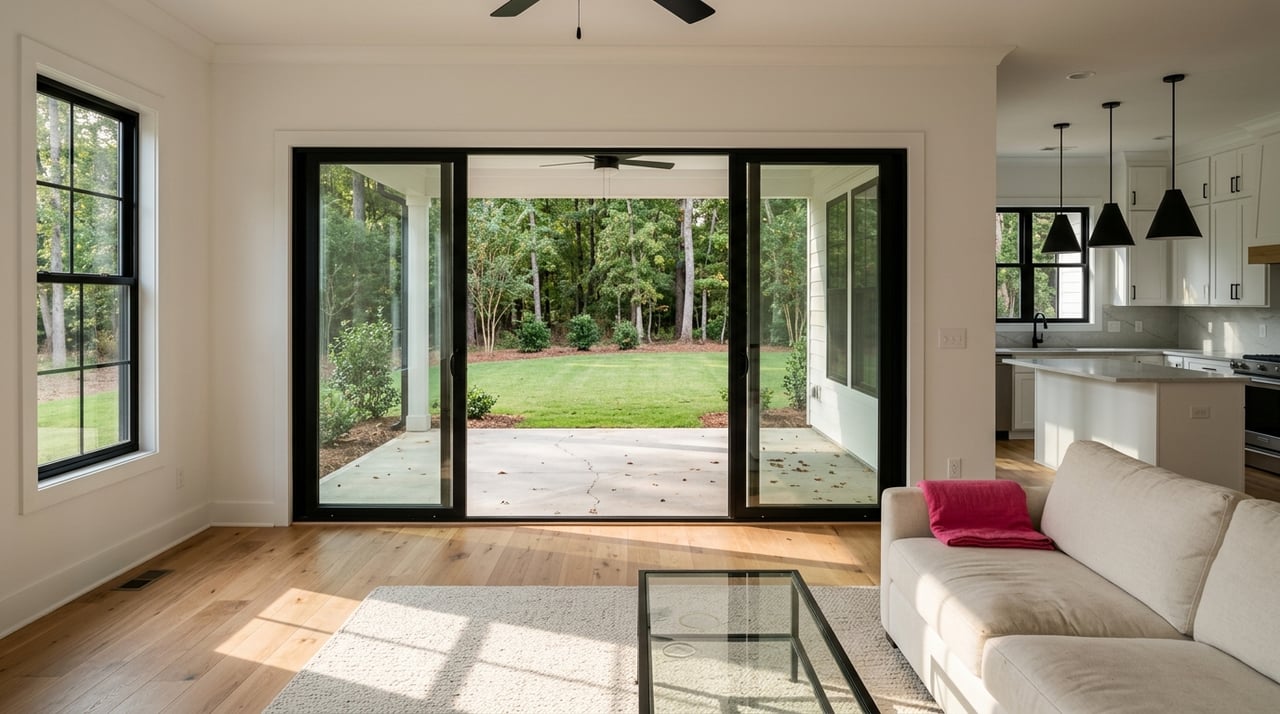
If you picture Blythewood as a place of stand-alone homes with yards and neighborhood streets, that picture is generally accurate. Point2Homes reports that 90.3% of the housing stock is detached single-family homes.
That matters if you are deciding between a low-maintenance condo lifestyle and a more traditional suburban setup. In Blythewood, buyers are mostly shopping for detached homes rather than a heavy mix of condos or townhomes.
For many buyers, that means more space and a classic suburban feel. It can also mean a higher price point than some nearby Columbia-area options.
What Homes Cost in Blythewood
Home values in Blythewood generally land in the mid-$300,000s to low-$400,000s, depending on the source and the metric being used. Zillow reported an average home value of $337,711 and a median list price of $402,317 as of February 28, 2026.
Other sources point to a similar overall range. The research report notes that Realtor.com showed a median home price of $384,950 in December 2025, while Redfin reported a median sale price of $437,000 last month.
Because those numbers measure different things, the best takeaway is simple: Blythewood is generally an upper-midrange market in the Columbia area. It is not typically the lowest-cost suburban option, but many buyers may find the tradeoff worthwhile if they want more room and a less dense setting.
How Blythewood Compares Nearby
If budget is a major factor, it helps to compare Blythewood with nearby communities. According to Realtor.com’s Blythewood overview, Blythewood is priced above Northeast Columbia ($264,450), West Columbia ($267,000), and Lexington ($313,999) on those local snapshots.
That does not automatically make Blythewood better or worse. It simply means you may be paying more for the space-oriented suburban character and housing style the town offers.
What the Market Is Like Right Now
Blythewood’s housing market appears active, but not rushed. Zillow says homes were going pending in about 47 days, while the research report notes that other sources showed roughly 71 to 74 days on market or to sale.
That range suggests a market where buyers may have some room to negotiate, especially compared with a fast-moving seller’s market. At the same time, the area does not read as distressed or stagnant.
For buyers, that can create a helpful middle ground. You may have time to make a thoughtful decision, but well-positioned homes can still draw attention.
Commuting From Blythewood
Blythewood is strongly tied to the I-77 corridor, so your daily routine will likely depend on driving. Census Reporter shows an average commute of 31.4 minutes, with 70.5% of workers driving alone and 26.3% working from home.
If you work in Columbia or need regional access, that location can be useful. Experience Columbia describes Blythewood as about 25 minutes north of the city center, which helps explain its appeal for people who want some separation from the city while staying connected to it.
Still, this is not a place where you should expect a highly walkable, car-light lifestyle. Daily errands, commuting, and recreation will usually involve getting in the car.
Why Infrastructure Matters
Road access is an important part of Blythewood’s future. The South Carolina Department of Transportation says a new I-77 Exit 26 interchange is proposed to improve access between US 21 and Blythewood Road and support future development near Scout Motors.
SCDOT also notes that I-77 is a major commuter and freight route between Columbia and Charlotte, and that peak-period congestion is already a factor in the corridor. For you, that means access may improve over time, but traffic and road planning should stay part of your decision-making process.
Lifestyle and Things To Do
Blythewood’s lifestyle is shaped less by a busy urban center and more by open space, community gathering spots, and outdoor recreation. Experience Columbia highlights the town’s roots in agriculture and equestrianism, along with more than 50 equestrian and stable facilities, the University of South Carolina Equestrian Center, and the DOKO Rodeo.
That gives the town a distinct identity within the Greater Columbia area. If you like the idea of a place with local traditions, recreation, and a small-town rhythm, Blythewood offers a different feel than more retail-heavy suburbs.
Parks and Public Spaces
One of the biggest lifestyle anchors in Blythewood is Doko Meadows Park. Experience Columbia describes it as the town’s social center, with an open-air market, six miles of walking trails, a 2,500-seat amphitheater, playground, soccer fields, skating facilities, and lake views.
The town also has Blythewood Park, a 21.62-acre recreation complex with a gymnasium, game room, weight room, club room, arts-and-crafts room, kitchen, baseball and softball fields, pickleball courts, a playground, and a picnic shelter, according to Richland County Recreation Commission.
If your ideal weekend includes time outside, community events, or local recreation close to home, these amenities add real value to daily life.
Dining and Local Growth
Blythewood’s dining scene is smaller and more local than what you will find in some neighboring suburbs. Experience Columbia highlights spots such as Bloomin Bean Coffee Bar, Doko Smoke BBQ, Scott Benny’s, Chubby’s Burgers & Brewhouse, Doko Station Pub & Eatery, and Alexander’s at Cobblestone Park.
That smaller lineup helps set expectations. Blythewood offers local favorites, but it is not currently defined by a large commercial core or a major restaurant district.
The same tourism materials also note the town’s interest in building out a Main Street with boutique businesses, art galleries, and local restaurants. That points to potential amenity growth over time rather than a fully built-out downtown today.
Who Blythewood May Suit Best
Blythewood may be a strong fit if you want:
- Detached homes and a more suburban housing mix
- More space and a lower-density setting
- Parks, trails, and recreation as part of everyday life
- Access to Columbia without living in the city center
- A town with a small-town feel and room for future growth
It may be less ideal if you want:
- A highly walkable lifestyle
- A large concentration of shopping and dining nearby
- A lower price point than some other Columbia-area suburbs
- Frequent access to riverfront or lake-centered amenities right in town
How Blythewood Compares With Other Suburbs
One of the best ways to decide if Blythewood fits your lifestyle is to compare it with nearby communities. Each suburb around Columbia offers a different mix of housing, amenities, and pace.
According to Experience Columbia’s regional neighborhood guides, Northeast Columbia is more retail-driven, with Village at Sandhill and a broader shopping and dining mix. Lexington offers a more built-up Main Street environment and the Icehouse Amphitheater.
If you are drawn to water access and lake recreation, Irmo is the more lake-oriented choice, with Lake Murray, Dreher Island State Park, and Irmo Town Park in the broader lifestyle conversation. If you prefer a more urban feel with riverfront access, West Columbia and Cayce offer the West Columbia Riverwalk, State Street, and the Three Rivers Greenway.
In that lineup, Blythewood stands out for buyers who want space, parks, and a quieter suburban feel more than dense entertainment or destination retail.
Final Thoughts on Blythewood
Blythewood is not trying to be the busiest or most urban suburb in the Columbia area, and that is exactly why some buyers are drawn to it. Its housing stock leans heavily toward detached homes, its lifestyle centers on parks and community spaces, and its location offers regional access while keeping a more relaxed small-town character.
If that sounds like the balance you want, Blythewood may be well worth a closer look. And if you want help comparing Blythewood with Irmo, Lexington, Chapin, or other Greater Columbia communities, Heather Shuler can help you sort through your options and find the area that fits your goals.
FAQs
Is Blythewood, SC mostly single-family housing?
- Yes. Point2Homes reports that 90.3% of Blythewood’s housing stock is detached single-family homes.
Is Blythewood, SC more expensive than nearby Columbia suburbs?
- Based on the research report, Blythewood is priced above nearby comparison areas like Northeast Columbia, West Columbia, and Lexington on the referenced Realtor.com local snapshots.
Is Blythewood, SC a good fit if you commute to Columbia?
- It can be, especially if you are comfortable with a car-based routine. Experience Columbia says Blythewood is about 25 minutes north of Columbia’s city center, and Census Reporter shows an average commute of 31.4 minutes.
What is there to do in Blythewood, SC?
- Blythewood is known for community recreation and outdoor amenities, including Doko Meadows Park, Blythewood Park, walking trails, sports facilities, and equestrian-related attractions highlighted by Experience Columbia.
Is Blythewood, SC walkable or car-dependent?
- The available data suggests a more car-oriented lifestyle. Census Reporter shows that most workers drive alone, and the town’s development pattern is more suburban than urban.
