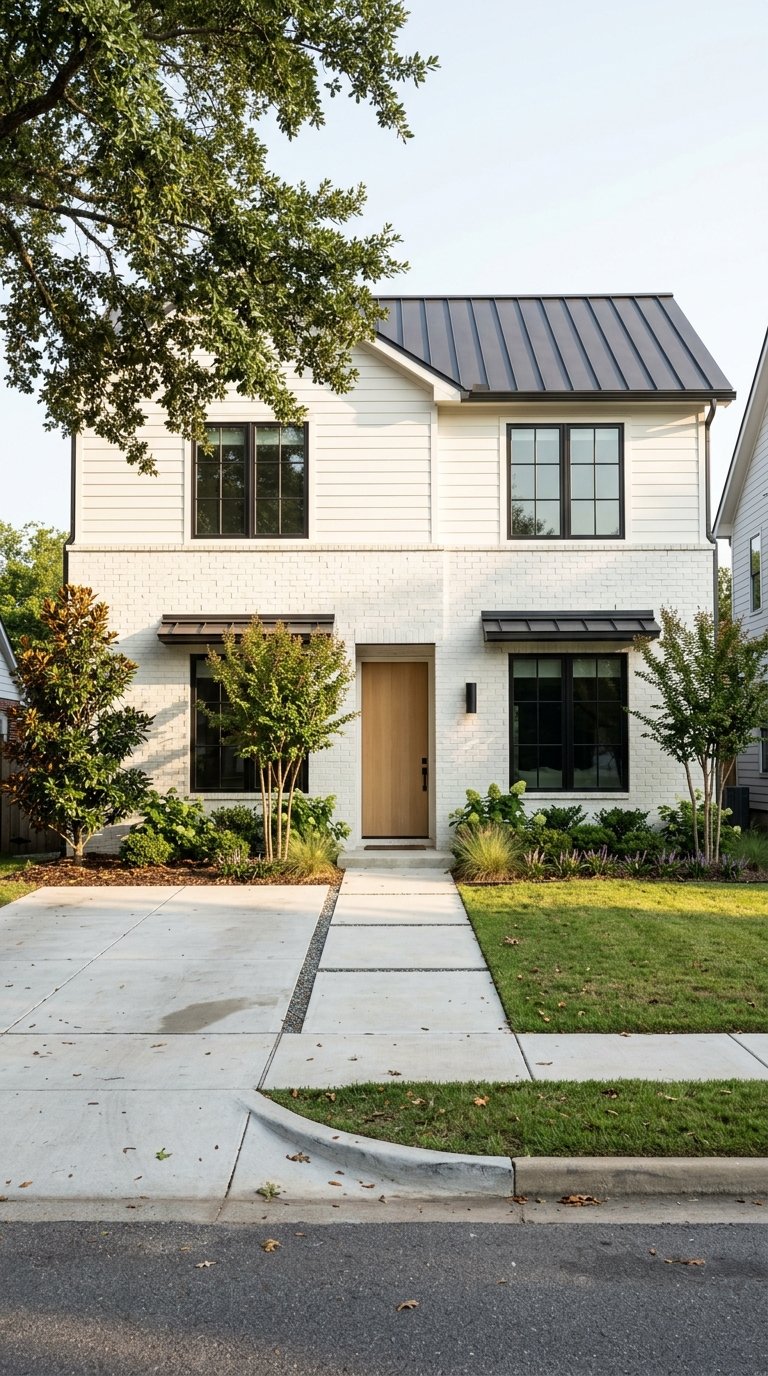
If you’re moving to Columbia, SC, one of the first things you’ll notice is that not every part of the area feels the same. Some areas lean more urban and rental-heavy, while others offer a more suburban, homeowner-focused setup with subdivisions, longer drives, and different housing options. If you want to make a smart move, it helps to understand how housing, commute patterns, zoning, and neighborhood character fit together before you start touring homes. Let’s dive in.
Columbia Housing Basics
Columbia has a different housing mix than the surrounding counties. In the city, the owner-occupied housing rate is 47.3%, the median value of owner-occupied homes is $243,500, and the median gross rent is $1,158. That points to a more mixed market, with a stronger rental presence and a wider variety of home types in the city itself.
As you move farther out, the pattern shifts. Richland County has a 60.3% owner-occupied rate, while Lexington County rises to 77.4%. In simple terms, that usually means you’ll find more detached homes and more owner-occupied neighborhoods outside the city core.
City vs Suburbs
For many buyers, the biggest choice is not just which home to buy, but which part of the Columbia area fits daily life best. Columbia city tends to offer shorter average commutes, at 17.4 minutes, while Richland County averages 23.1 minutes and Lexington County averages 26.0 minutes. That tradeoff often comes down to location, housing type, and how much driving you want built into your routine.
The city is also a transportation hub with I-77, I-20, and I-26 connecting the region. Columbia also has The COMET fixed-route transit system and a downtown connector. If you’re relocating from out of town, major road access and your likely work corridor should be part of your home search from day one.
In-Town Columbia Neighborhoods
Columbia’s in-town neighborhoods include areas such as Cottontown/Bellevue, Earlewood, Elmwood Park, Historic Waverly, Melrose Heights/Oak Lawn, Old Shandon/Lower Waverly, Wales Garden, University, Vista, Downtown, Forest Hills, Historic Heathwood, and Rosewood. These are official neighborhood areas recognized by the city. Many developed as early suburbs or early twentieth-century neighborhoods.
That history matters because housing stock in these areas often includes older detached homes, bungalows, foursquares, brick homes, porches, and in some places apartments or mixed-use buildings. If you love established architecture and a stronger sense of in-town character, these neighborhoods may appeal to you. At the same time, older homes often come with more questions about updates, maintenance, and property restrictions.
Historic District Considerations
Columbia has 15 historic districts and more than 180 individual landmarks. Neighborhoods such as Cottontown/Bellevue, Elmwood Park, and Melrose Heights/Oak Lawn reflect development from the early 1900s through the postwar period, while Old Shandon/Lower Waverly is described as one of the city’s first real suburbs. The University neighborhood also includes some of the city’s earliest apartment buildings.
For you as a buyer, that can mean charm, mature streetscapes, and unique homes. It can also mean preservation rules or overlay review if you want to make exterior changes, rebuild, or significantly renovate. If you’re buying in an older in-town area, it’s important to verify what applies to the specific property rather than assuming all homes on a block follow the same rules.
Suburban Patterns Around Columbia
If your priority is a more suburban setting, the areas around Columbia offer a different feel. These markets are often more road-connected and homeowner-oriented, with more subdivision-style development and a larger share of detached homes. That can be a good fit if you want more separation between homes, newer construction patterns, or a layout that feels less urban.
For many relocation buyers, this is where a guided search really helps. Instead of searching by city name alone, it’s usually more useful to compare how each area functions day to day, including roads, lot sizes, commute paths, and the kinds of neighborhoods being built or redeveloped.
Irmo Housing Basics
Irmo is an established suburb with planning that points toward mixed-use infill, a town-center district, and a range of housing types. That suggests a market where you may see older subdivisions, redevelopment opportunities, and some newer mixed-use concepts rather than just brand-new greenfield growth. If you’re looking for variety within a suburban setting, Irmo can offer more than one housing style.
Because Heather Shuler is based in Irmo and specializes in this area, buyers relocating to the Midlands often start here when they want local guidance and a clearer picture of the options. Irmo can appeal to buyers who want suburban convenience while staying connected to the broader Columbia area. The key is knowing which pockets best match your budget, home style, and commute needs.
Chapin Housing Basics
Chapin offers several distinct development patterns within a relatively small area. Its planning framework includes Neighborhood areas with broad single-family residential development and density capped at four dwelling units per acre. It also includes Village areas meant for walkable mixed-use development with townhomes and upper-story residential, plus Rural areas that allow very low-density housing.
That range means your Chapin search can look very different depending on your goals. You may be comparing subdivision living, mixed-use village-style options, or larger rural-style lots. For relocation buyers, that flexibility can be a major advantage if you want to balance space, setting, and access to the Columbia region.
Lexington Housing Basics
Lexington is best understood as a suburban edge of the region rather than part of Columbia’s urban core. Its mapping framework highlights subdivisions and a layered road network that includes interstates, highways, arterials, collectors, and local roads. Taken together with Lexington County’s 77.4% owner-occupied rate, the area aligns with a more homeowner-heavy and car-oriented market.
If you’re considering Lexington, think about how much your daily life will depend on roadway access and driving patterns. Two neighborhoods with similar prices can feel very different depending on how directly they connect to your regular destinations. This is one reason relocation buyers benefit from narrowing homes by commute corridor, not just by map distance.
Why Zoning Matters
Zoning is easy to overlook when you’re moving from out of town, but in Columbia it can have a real impact on how you use a property. The city has residential, commercial, mixed-use, and industrial zoning districts, along with overlays such as floodway, floodplain, downtown, Five Points, North Main Corridor, historic preservation, and community character protection. These layers can affect remodeling, rebuilding, and future use.
The city also makes clear that online viewers and county zoning maps are not a substitute for official zoning records. If a home is on your shortlist, especially in an older neighborhood or an area with visible redevelopment activity, it is worth confirming the zoning and any overlays before making an offer. That extra step can help you avoid surprises later.
Floodplain and Property Review
Flood review should be part of your Columbia move plan. The city maintains flood recovery resources tied to the historic October 2015 flood, and Richland County directs buyers to FEMA maps and county GIS resources for floodplain designations. Even if a property looks fine in listing photos, flood status still needs to be checked carefully.
This matters for buyers across the area, not just downtown. A home’s floodplain position can affect insurance needs, future improvements, and your comfort level with the property over time. If you’re buying long-distance, this is one of those items you do not want to leave until the last minute.
Climate and Home Features
Columbia’s climate also shapes what to look for in a home. The area’s 1991 to 2020 climate normals show an annual average temperature of 65.4°F, annual precipitation of 44.09 inches, and just 1.2 inches of normal snowfall. The average last spring freeze is March 25, and the average first fall freeze is November 7.
For home shoppers, that usually means focusing on practical systems and exterior condition. Air conditioning, humidity management, roof condition, gutters, and yard drainage all deserve close attention. These details may not be the most exciting part of a home tour, but in Columbia they can matter just as much as layout and finishes.
Planning a Long-Distance Search
If you’re relocating, efficiency matters. A mortgage preapproval letter helps show sellers that you are likely able to finance the purchase, but it is based on lender assumptions and commonly expires after 30 to 60 days. It also helps to keep your search inside a budget that feels comfortable for you, not just at the top end of what a lender approves.
You’ll also want to think beyond the purchase price. Closing costs, moving costs, repairs, insurance, and any HOA dues should all be part of your budget. A home that looks affordable at first glance can feel very different once the full monthly and up-front costs are clear.
Smart Steps Before an Offer
For a smoother relocation purchase, keep your process simple and structured:
- Get preapproved before you start serious touring
- Narrow your search by daily commute patterns, not just zip code
- Confirm zoning and overlay status on any top-choice property
- Review floodplain information early
- Make offers contingent on financing and a satisfactory inspection
- Schedule an independent inspection as soon as possible after choosing a property
These steps create a cleaner decision process, especially when you cannot visit homes repeatedly. They also help you compare options more confidently when several neighborhoods are still in play.
How To Choose the Right Area
The best area for you depends on how you want to live day to day. If you want older architecture, more mixed housing types, and shorter average commutes, in-town Columbia may make sense. If you prefer a more homeowner-focused setting with subdivision patterns, larger suburban areas like Irmo, Chapin, or Lexington may better fit your goals.
It also helps to remember that “Columbia” often means a whole regional search, not just the city limits. Your best fit may come down to a few practical questions:
- Do you want an in-town neighborhood or a suburban layout?
- How important is a shorter commute?
- Are you comfortable with older homes and possible preservation rules?
- Do you want subdivision living, mixed-use options, or more rural-style space?
- Have you checked zoning and floodplain details before getting attached to a property?
When you answer those questions early, your search becomes much clearer.
If you’re planning a move to Columbia, Irmo, Chapin, or the surrounding Midlands, having a local guide can make the process feel much more manageable. Heather Shuler offers a relationship-first, education-focused approach to help you narrow neighborhoods, understand housing options, and move forward with confidence.
FAQs
What is the difference between living in Columbia and living in Lexington County?
- Columbia has a more mixed housing market with a 47.3% owner-occupied rate and shorter average commute times, while Lexington County is more homeowner-heavy at 77.4% owner-occupied and tends to be more car-oriented.
What kinds of homes are common in in-town Columbia neighborhoods?
- In-town Columbia neighborhoods often include older detached homes, bungalows, foursquares, brick homes, porches, and in some areas apartments or mixed-use buildings.
What should homebuyers know about Columbia historic districts?
- Some Columbia neighborhoods are within historic districts or overlay areas, which can affect exterior changes, remodeling, rebuilding, and other future property plans.
Why does zoning matter when buying a home in Columbia SC?
- Zoning and overlay status can affect how you use a property and whether you can remodel or rebuild in the future, so it is important to confirm official records before making an offer.
Should buyers check floodplain maps before moving to Columbia SC?
- Yes. Columbia and Richland County both point buyers to flood-related resources, and floodplain review is important even if a home looks fine in photos or is outside the downtown core.
What housing options can buyers expect in Chapin SC?
- Chapin can include single-family subdivision areas, village-style mixed-use areas with townhomes and upper-story residential, and low-density rural areas with larger lot options.
What makes Irmo appealing for relocation buyers near Columbia?
- Irmo offers an established suburban setting with a range of housing types, including older subdivisions, infill opportunities, and some newer mixed-use concepts, while staying connected to the greater Columbia area.
What costs should relocation buyers budget for beyond the home price?
- In addition to the purchase price, buyers should plan for closing costs, moving costs, repairs, insurance, and any HOA dues that apply.
