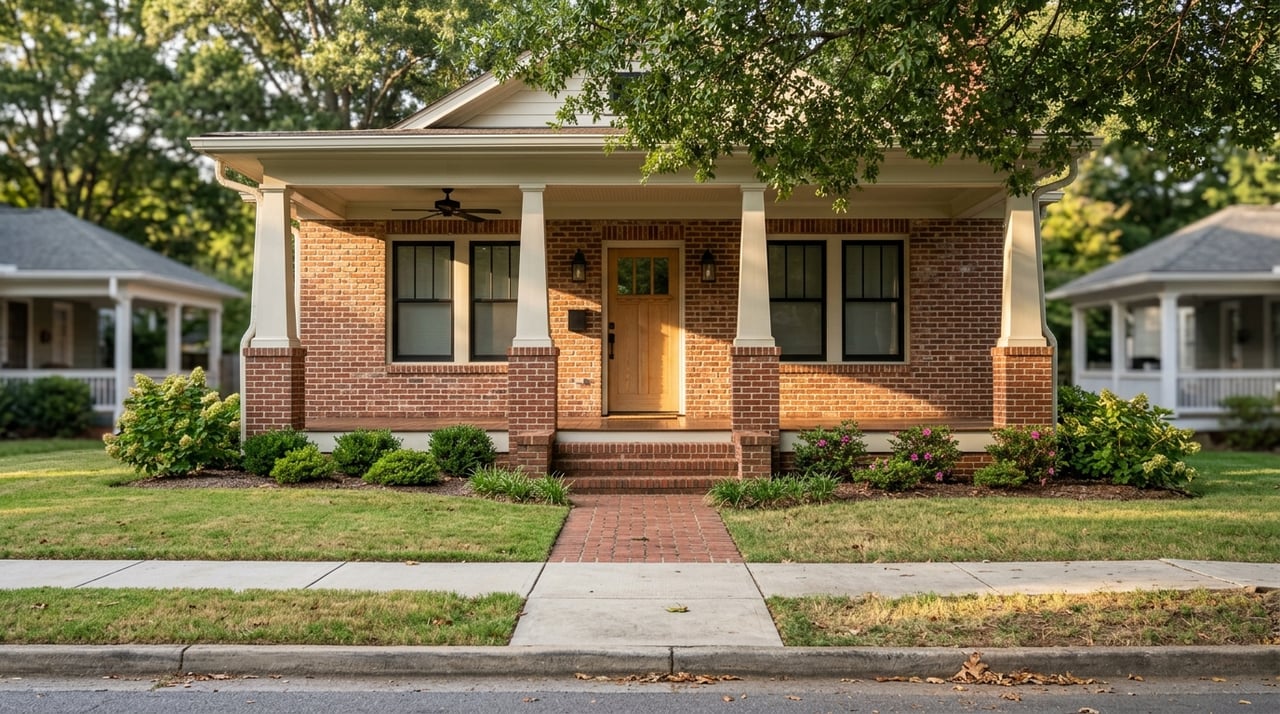
Looking for an in-town Columbia neighborhood with real character? Shandon stands out because it blends historic charm, everyday convenience, and a housing mix that feels more flexible than many buyers expect. If you want to understand what makes this area appealing, from its architecture to its lifestyle, this guide will walk you through the basics and help you picture what living here can actually feel like. Let’s dive in.
Why Shandon Feels So Distinct
Shandon is one of Columbia’s largest in-town neighborhoods, and its location near Five Points, Devine Street, and Rosewood Drive gives it strong everyday convenience. At the same time, it keeps a residential feel that many buyers are looking for when they want to stay close to the city without living in a more intense urban setting.
Part of that identity comes from its history. Shandon began in the 1890s as Columbia’s first planned residential suburb, with wide streets, generous lots, and a park-like setting designed to draw residents from the urban center. That early planning still shapes how the neighborhood feels today.
The broader area also developed over time, which is why Shandon does not read like a one-era neighborhood. Its historic core, often referenced as Old Shandon and Lower Waverly in preservation materials, sits within a larger neighborhood that reflects several phases of growth. For you as a buyer or homeowner, that means more variety in both housing style and streetscape.
Shandon Architecture At A Glance
One of Shandon’s biggest draws is its layered architecture. Official historic documentation points to Queen Anne homes, Craftsman bungalows, American Foursquares, Colonial Revival houses, and a small number of Prairie-style homes. Instead of feeling repetitive, the neighborhood shows how different design eras can still work together.
You will also notice recurring details that give the streets a cohesive look. Full-width porches, bay windows, canted corners, hipped and gabled roofs, and exposed rafters appear throughout the area. These features help create a neighborhood that feels established and visually interesting without seeming overly formal.
Because documented buildings in the area date from the 1890s through the 1950s, Shandon’s identity comes from overlapping eras rather than a single architectural moment. That makes it appealing if you appreciate character but do not want a neighborhood that feels frozen in time.
Why Porches Matter Here
In Shandon, porches are more than a pretty detail. The city’s Old Shandon and Lower Waverly preservation guidelines specifically encourage covered porches, porticos, and similar entry features on new construction when they are compatible with nearby historic buildings.
Those guidelines also address setbacks, roof shapes, and materials. The result is that even updated homes or newer additions often fit the surrounding streetscape more naturally. For you, that can mean a neighborhood with stronger visual continuity from block to block.
Housing Types In Shandon
A common misconception is that Shandon consists only of historic detached houses. In reality, the area includes several housing types. Historic records describe single dwellings, multiple dwellings, secondary structures, and religious facilities within the district.
Over time, some properties were adapted into duplexes or apartment houses, and some older Queen Anne homes were converted for apartment use. That means the neighborhood offers more than one way to live there, which can matter if you are searching for a smaller footprint, a different price point, or an investment in an in-town setting.
This variety is part of what makes Shandon practical as well as charming. You can find classic detached homes, adapted historic properties, and smaller multi-unit options, all within a neighborhood that still maintains a consistent sense of place.
Historic Character And Change Can Coexist
Another useful thing to know is that Shandon has evolved without losing its identity. Historic documentation notes that newer construction, modern materials, and some commercial conversions on the edges have not disturbed the district’s overall integrity.
That balance matters if you want character but also value updates and flexibility. Shandon is not preserved in a way that stops all change, yet it still holds onto the architectural patterns and neighborhood feel that make it special.
What Daily Life In Shandon Looks Like
Lifestyle is a major part of Shandon’s appeal. Official city and neighborhood sources point to mature trees, sidewalks, broad streets, and a park-like setting, all of which shape how the area feels from day to day.
The neighborhood also includes civic and outdoor spaces that support a connected, in-town lifestyle. Emily Douglas Park sits in the heart of Shandon, and Sims Park is recognized as a community gathering space. Richland Library Wheatley, located in Old Shandon, adds another nearby amenity that fits the neighborhood’s close-in character.
If you value being near daily conveniences, Shandon checks that box too. Its location near Five Points, Devine Street, and Rosewood Drive places you close to shopping, dining, services, and other Columbia destinations while still coming home to a residential setting.
Is Shandon Walkable?
For many buyers, walkability means more than being able to run errands on foot. It also means enjoying the neighborhood itself. In Shandon, sidewalks, wide streets, mature trees, nearby parks, and close access to local amenities all support a neighborhood-centered experience.
That does not mean every block functions the same way, but the overall design and layout contribute to a lifestyle where walking feels natural. If that matters to you, Shandon offers features that many in-town buyers prioritize.
What Buyers Often Like Most
Shandon tends to appeal to people who want character, location, and flexibility in one place. The larger lots, layered architecture, and porch-oriented streetscape help it feel more established than newer neighborhoods. At the same time, its close-in setting keeps you connected to the rest of Columbia.
Buyers are often drawn to the sense that Shandon is residential first, yet still convenient. You get a neighborhood with visual personality and long-standing identity, but not one that feels cut off from everyday life.
It can also be a strong fit if you want choices. Some buyers are focused on historic details, while others are looking for a home that blends older charm with later updates. Because the housing stock is varied, the neighborhood can serve more than one type of home search.
What To Keep In Mind During Your Search
If you are considering Shandon, it helps to look beyond style alone. A charming exterior may be the feature that gets your attention, but the neighborhood’s value often comes from the full package: lot size, block feel, proximity to parks and amenities, and how a specific home fits within the broader streetscape.
You may also want to pay attention to whether a property sits within the historic core or on the broader edges of Shandon. Since the area developed in phases, homes can differ in age, layout, and setting even within the same general neighborhood name.
A thoughtful search can help you match your priorities with the right part of the neighborhood. Whether you want architectural character, a more updated property, or a certain in-town lifestyle, clarity on your goals can make the process much easier.
If you are thinking about buying or selling in Columbia and want help understanding how a neighborhood like Shandon fits your goals, Heather Shuler offers a relationship-first, educational approach designed to help you move forward with confidence.
FAQs
What makes Shandon different from other in-town Columbia neighborhoods?
- Shandon stands out for its streetcar-suburb origins, wide streets, generous lots, mature trees, porch-oriented homes, and a layered mix of architecture from the 1890s through the 1950s.
Does Shandon only have historic single-family homes?
- No. Official records describe single dwellings, multiple dwellings, secondary structures, and adapted properties, including some duplexes and apartment houses.
What architectural styles are common in Shandon?
- Shandon includes Queen Anne, Craftsman bungalow, American Foursquare, Colonial Revival, and some Prairie-style homes, along with features like full-width porches, bay windows, and varied rooflines.
What is daily life in Shandon like?
- The neighborhood offers an in-town, residential feel shaped by sidewalks, broad streets, mature trees, nearby parks such as Emily Douglas Park and Sims Park, and close access to destinations near Five Points, Devine Street, and Rosewood Drive.
Is Shandon a walkable neighborhood in Columbia?
- Official descriptions highlight sidewalks, nearby parks, wide streets, and close access to neighborhood amenities, which support a walkable, neighborhood-centered lifestyle.
