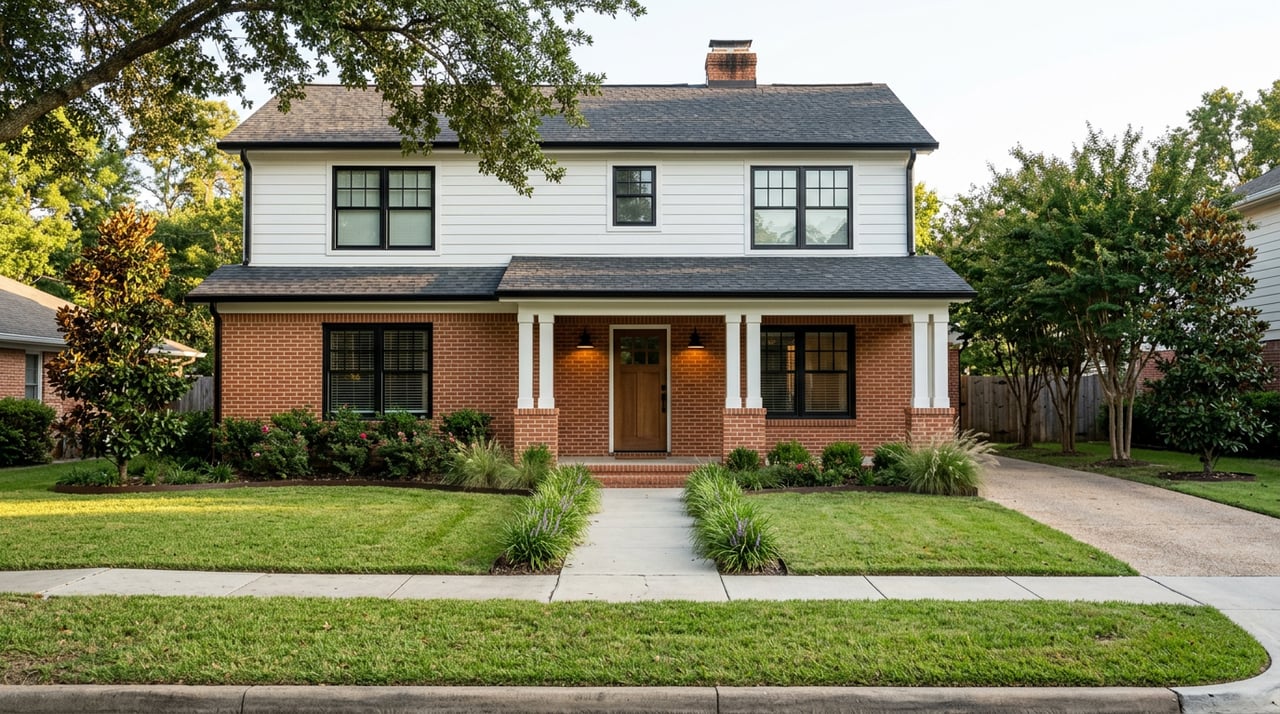
If you’re picturing a place where historic streets meet horse country and lake life, Camden might be exactly what you’re looking for. This small South Carolina city blends charm, open space, and a slower pace with practical access to Columbia for work and big-city amenities. You get a compact downtown, a proud equestrian tradition, and weekends on the water within easy reach. In this guide, you’ll learn what it really feels like to live in Camden, from commute and neighborhoods to schools, health care, and the local housing market. Let’s dive in.
Where Camden sits and how you get around
Camden is the county seat of Kershaw County and sits northeast of Columbia along the US 1 and US 521 corridors. It is widely described as South Carolina’s oldest inland city and reads like a classic small town with deep Revolutionary War roots and a lively cultural scene. The city’s population sits in the high single thousands, with the Census Reporter profile listing about 8,267 residents and a median owner‑occupied housing value near $265,300. You can review the latest demographic snapshot on the Census Reporter profile for Camden.
If you work in Columbia, the commute is manageable. Camden is commonly quoted at roughly 32 miles to downtown Columbia, with typical drive times around 30 to 50 minutes depending on route and traffic. For context and a starting point, see the Camden overview on Wikipedia, then plug in your exact route for real-time conditions.
A walkable historic core
Camden’s heart is its compact downtown and cultural district. You can wander along Broad Street for antiques, galleries, a small theater, and the courthouse square, then trace the city’s Revolutionary War history at the Historic Camden site. The town’s planning documents highlight preservation and downtown character as core priorities, which helps maintain that small-town feel. If you’re mapping out a weekend, put the Historic Camden Revolutionary War site and the city’s cultural facilities from the comprehensive plan on your list. The plan’s facilities chapter offers a helpful overview of how Camden invests in parks, trails, and community spaces. You can browse it here: City of Camden comprehensive plan — community facilities.
Horse country and the Carolina Cup
Equestrian life is a defining part of Camden’s identity. Springdale Race Course and the National Steeplechase Museum anchor a calendar that includes the Carolina Cup in spring and the Colonial Cup in autumn. Around those marquee meets, you’ll find hunter and jumper events, polo, and local shows that draw spectators and riders alike. If horses are your world, Camden’s mix of private farms, training grounds, and community support will feel like home. Learn more at the National Steeplechase Museum, which offers exhibits and context for Camden’s steeplechase legacy.
Lake Wateree, parks, and the outdoors
Love the water or quiet trails? Lake Wateree is a major regional asset with marinas, public boat ramps, and shoreline spots for boating, fishing, and camping. In town and nearby you’ll also find Goodale State Park, the Wateree River blue trail, and a network of city and county parks such as Woodward Park and Seaboard Park. Camden’s planning documents also note ongoing efforts around walking trails and river access, which add to everyday quality of life. For a high-level look at parks and recreation, review the community facilities section of the city’s plan.
Housing types and where they fit
One of Camden’s strengths is choice. Here’s what you’ll typically see:
- In-town historic homes: Antebellum, Victorian, and early 20th-century bungalows line tree-shaded streets near downtown. Many have been renovated while keeping original features.
- Suburban neighborhoods: Just outside the core, you’ll find more conventional subdivisions with a range of home sizes and lot styles.
- Equestrian properties: Multi-acre parcels with barns, private rings, and space for training sit in and around the racecourse and rural edges.
- Lake and acreage options: Buyers seeking space or weekend retreats often look to acreage tracts or properties with easy access to Lake Wateree.
City planning documents outline this blend of historic urban lots, rural acreage tied to the horse industry, and lake-oriented recreation. If you like a quiet small-town street or need room for a barn and pasture, Camden can meet you where you are. The city’s perspective on land use and community facilities appears in the comprehensive plan materials.
What the market looks like
Camden tends to be more affordable than many Columbia suburbs. Two data points help frame expectations:
- The American Community Survey lists the median owner-occupied home value at about $265,300 in Camden. You can verify the latest estimate on Census Reporter.
- Vendor snapshots vary, but a recent city-level feed from Redfin showed a median sale price of roughly $254,000 with a median days on market of about 36 days as of March 2026. Different platforms may show different figures based on whether they track the city limits, ZIP codes, or the county.
Why the differences? Medians swing based on geography (city vs. county vs. ZIP), the month or quarter being measured, and the mix of sales at a given time. In Camden, in-town cottages and small homes can pull medians one way, while acreage, equestrian estates, and lake-area properties can pull them the other. Many vendor reports put nearby Blythewood higher, often in the mid $300Ks to $400Ks, reflecting newer subdivisions and a more suburban profile. Use vendor name and date when you compare, and focus on the specific areas you plan to search.
Schools and education options
Public schools in Camden are part of the Kershaw County School District (KCSD). In-town campuses include Camden Elementary of the Creative Arts, Pine Tree Hill Elementary, Camden Middle, and Camden High. If you’re narrowing a home search, it helps to review school zone maps and school-level report cards directly with the district. Start with the Kershaw County School District website for official information.
Health care close to home
Local access to health care is a real benefit. Camden is served by MUSC Health Kershaw Medical Center, which provides urgent care, inpatient services, and specialty clinics in town. If having emergency and routine care nearby matters to you, review services and contact details on the Kershaw Medical Center site.
Shopping, dining, and things to do
Downtown Camden is a hub for independent restaurants, antique shops, galleries, and local boutiques. The social calendar includes farmers’ markets, festivals, and gallery events that make weekends feel full without big-city bustle. For larger retail and big-box options, you’re a short drive to Lugoff/Elgin and Columbia. To get a sense of business highlights and community flavor, browse the Kershaw County Chamber’s Camden overview. You can also scan upcoming happenings on the Camden Living events calendar.
Who tends to choose Camden
Camden attracts a few distinct buyer profiles:
- Equestrian buyers who want proximity to Springdale Race Course and a network of private farms and events.
- People who love a small historic downtown, local businesses, and a slower pace.
- Commuters who work in or around Columbia and are comfortable with a 30 to 50 minute drive.
- Buyers seeking more affordability than some Columbia suburbs or those interested in lake and acreage lifestyles near Lake Wateree.
If you prioritize newer subdivisions with a dense set of suburban amenities, you may also look at nearby Lugoff/Elgin or Blythewood as comparison points. The right fit depends on how you rank commute, neighborhood style, yard size, and price.
Safety and how to research it
Safety questions are common, and the most helpful answers come from recent, local sources. Aggregated FBI data compiled by third-party sites provide a starting point for understanding recent rates and trends. You can review a summary on CrimeExplorer’s Camden page. For a street-level view, check official law enforcement reports, state dashboards, and recent call-for-service logs. If safety is a key factor in your decision, plan to review data at the neighborhood level and visit at different times of day.
Camden vs nearby communities
- Camden vs Columbia: Columbia offers urban neighborhoods, more jobs, and a wider range of housing types, including condos. Camden is far smaller, quieter, and more historic, with a market dominated by single-family homes and acreage.
- Camden vs Blythewood: Blythewood reads as a newer, more suburban community with generally higher medians on many vendor reports. It appeals to buyers who want newer neighborhoods and quick interstate access.
- Camden vs Lugoff/Elgin: Lugoff and Elgin are more commuter-oriented parts of Kershaw County with suburban subdivisions and faster access to I‑20. They can be a good fit if you want lower-maintenance neighborhoods and a shorter interstate hop.
How to explore Camden like a local
Use this quick plan to get a feel for daily life:
- Start downtown. Walk Broad Street, browse antiques and galleries, and note the scale of daily life in the historic core. Visit the Historic Camden site to understand the city’s story.
- Experience horse country. Check the schedule at the National Steeplechase Museum and plan a race meet or local show if timing allows.
- Test your commute. Drive your exact route to Columbia during rush hour and at off-peak times.
- Sample the outdoors. Spend an afternoon near Lake Wateree or at Goodale State Park; review parks and trails in the city’s plan.
- Review schools and services. Use the KCSD website for zones and report cards, and check Kershaw Medical Center for health care details.
- Scan community events. See what’s on tap via the Camden Living calendar to gauge the social rhythm.
Final thoughts
If you want a place where history, horses, and lake life share the same weekend, Camden delivers. You get a true small-town core, real equestrian culture, and easy access to outdoor fun, all within a reasonable commute to Columbia. Whether you’re drawn to a bungalow near downtown, acreage for a barn, or a quiet neighborhood with room to spread out, Camden offers a refreshing mix of options.
If Camden is on your shortlist, let’s talk through neighborhoods, timing, and a search strategy tailored to your goals. Reach out to Heather Shuler to schedule a consultation.
FAQs
How far is Camden from Columbia and what is the commute like?
- Camden is commonly cited at about 32 miles from downtown Columbia, and many residents report 30 to 50 minute drive times depending on route and traffic; confirm your exact route using live maps and the Camden overview on Wikipedia as a starting reference.
What public schools serve Camden, SC?
- Camden schools are part of the Kershaw County School District, with in-town options including Camden Elementary of the Creative Arts, Pine Tree Hill Elementary, Camden Middle, and Camden High; review zones and report cards on the KCSD website.
What are Camden home prices like right now?
- The ACS estimates a median owner-occupied value near $265,300, and a recent vendor snapshot reported a median sale price around $254,000 with a median 36 days on market as of March 2026; medians vary by source, geography, and time window.
Is Camden good for horse owners and riders?
- Yes; Camden’s equestrian identity includes Springdale Race Course, the National Steeplechase Museum, and regular meets and shows, making it a strong fit for equestrian-focused buyers; see the Museum’s exhibits for background.
What local health care is available in Camden?
- Camden is served by MUSC Health Kershaw Medical Center for urgent care, inpatient services, and specialty clinics; you can view services and contact details at the Kershaw Medical Center site.
How can I research safety in Camden neighborhoods?
- Use multiple sources: review aggregated FBI data as a starting point on CrimeExplorer, then check official police reports and recent call-for-service logs for current, neighborhood-specific insight.
